[00:53] Darren Jamieson:
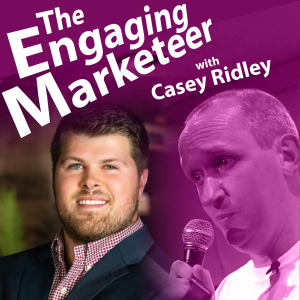
On this week’s episode of the engaging marketeteer, I’m speaking with Casey Ridley from the designery, a franchiseor based in Georgia in the United States.
[01:02] Darren Jamieson:
I’m going to be talking to Casey about how he started his business, how he decided that franchising was the best option to him, and what processes he uses for finding the correct franchises,
[01:14] Darren Jamieson:
training them, making sure they’re a success, and of course, marketing his franchise business. You’re the second person I’ve interviewed this week who is
[01:23] Darren Jamieson:
into franchising. Now, there’s not that many uh businesses from a percentage scale in the UK that are franchises. So
[01:31] Darren Jamieson:
it’s very very big in America. What made you want to go into franchising yourself?
[01:38] Casey Ridley:
Yeah. No, thanks Darren. That’s a great question. I mean, you know, I’m a firm believer that franchising is the greatest wealth creation engine in the
[01:48] Casey Ridley:
world. Um, and I think there’s a sound right there, mate. There is a sound right there.
[01:53] Casey Ridley:
I I I believe it. I stand by it. You know, it gives people the opportunity to be entrepreneurs and invest in
[02:01] Casey Ridley:
themselves that maybe they wouldn’t have without franchising. You know, creating something from scratch and you don’t
[02:08] Casey Ridley:
know where to start. You know, tough to do, right? There’s, you know, there’s only so many Steve Jobs in the world,
[02:14] Casey Ridley:
right? But franchising allows anyone to have the opportunity to create better lives for themselves. Um, so I’m a big
[02:23] Casey Ridley:
believer in that. But with that being said, you know, franchising to me is about um efficiencies. It’s about scale
[02:32] Casey Ridley:
um and it’s about opportunities. So when I decided to go into franchising, it was about those things. How do I scale my business? How do I do it efficiently?
[02:40] Casey Ridley:
And then ultimately I found a passion around how do I give opportunities to other people in the country in the world
[02:47] Casey Ridley:
who could take place in this journey with me and build something great together.
[02:52] Darren Jamieson:
So, how long had you been running the business before you decided the franchise and it was the best option? Roughly about two two to three years.
[03:00] Casey Ridley:
Um, you know, basically I had very early on, right at the very beginning of me acquiring a small surplus business. I
[03:08] Casey Ridley:
had decided I wanted to grow and I wanted to expand and I wanted this to be a bigger thing. Um, and we went to a second location pretty quickly and
[03:17] Casey Ridley:
things went very well. And that was where um, I really just dug into how do I make this a national brand, something
[03:25] Casey Ridley:
that is in every city across the country, something that can just be very successful outside of myself and my own my own purview, if you will. Um, and
[03:34] Casey Ridley:
that’s when I came across the world of franchising and how incredible it is to bring other people in with other backgrounds, other experiences. we can
[03:43] Casey Ridley:
all learn together and grow together into something uh much bigger than myself which um is is what brought me to it.
[03:50] Darren Jamieson:
Could you explain very briefly what the what the actual business was that you were running that you decided a franchise?
[03:57] Casey Ridley:
Yeah, so it was a surplus business as is the foundation of it um in the construction space. So, it was, you know, secondhand windows, secondhand
[04:06] Casey Ridley:
doors. We had couches at one point. A very hodge podge thing um in the kitchen and bath space. Ultimately, I decided to
[04:14] Casey Ridley:
revitalize that in a different way. And we dug into cabinetry. We dug into uh flooring, countertops, tile, really the
[04:22] Casey Ridley:
home remodeling spaces. Um and then further really dug into kitchens, baths,
[04:27] Casey Ridley:
and closets. And that’s where we found a lot of success. We realized that’s what our niche is. That’s where we are passionate about. It’s where people
[04:34] Casey Ridley:
spend the most time in their homes or really in those places from an intimate perspective being in their bathroom or their closet to a family gathering
[04:42] Casey Ridley:
perspective in their kitchen. And because of that, we just dug deep into that. And that is ultimately the um the
[04:50] Casey Ridley:
business that we franchised was a kitchen, bath, and closet company.
[04:53] Darren Jamieson:
Mhm. Does that mean then because what you’re selling um you would need layouts for people to see you’d need quite a lot
[05:01] Darren Jamieson:
of space for each one of your your premises for it.
[05:05] Casey Ridley:
Yeah. So we have been so regarding the space aspect we’ve been able to really condense our showrooms we call studios
[05:12] Casey Ridley:
into a you know 1500 square ft uh commercial space that we’re able to really bring what we call vignettes
[05:20] Casey Ridley:
which are just displays. We’re able to bring those to life. um inside that space. But then we lean heavy into technology in order to allow the
[05:28] Casey Ridley:
customer to really see their space. So virtual reality, we have what we call the design center, which allows customers to really see it in in a big
[05:35] Casey Ridley:
on a big screen. Um so they have all of those tools at their disposal to really understand the project that they’re about to um endeavor and like what that
[05:44] Casey Ridley:
final product looks like um without being able to um obviously uh you know know know exactly the ins and outs. it’s
[05:52] Casey Ridley:
hard to picture it. Um, so that that technology gives us those tools and we’re super happy to have be a very tech forward type of business.
[05:58] Darren Jamieson:
Is that propriety technology or is that something that other people are able to use as well? Competitors for example.
[06:05] Casey Ridley:
Yeah, so it is proprietary. It’s something that we built alongside some design softwares um and and different uh
[06:12] Casey Ridley:
technology stacks. So, um, we are, to my knowledge, the only ones out there really utilizing the technology like we
[06:19] Casey Ridley:
are. Um, and, uh, you know, but with that being said, um, you know, I’m a firm believer that this is a big industry and there’s, uh, a lot to eat.
[06:28] Casey Ridley:
So, I’m super happy for anyone else in this space to be willing to kind of take a risk in their business and do
[06:36] Casey Ridley:
something with with technology. you know, I’m just a big believer in the industry of giving customers what they really, you know, giving them the tools
[06:43] Casey Ridley:
they need to see their space. Um, so I don’t necessarily want to gatekeep the the technology that we’ve uh created.
[06:51] Darren Jamieson:
And with with kitchens and bathrooms,
[06:52] Darren Jamieson:
there’s a lot of companies in the UK that do that sort of thing. Uh,
[06:56] Darren Jamieson:
depending on the type of target client they’re going for, they’ll either be low-end, mid-range, or high-end. Where where do you sit in that that area?
[07:07] Casey Ridley:
Yeah. So, we’re actually very unique because we do have a full spectrum there. So, what I mean by that is we do a lot of apartment complexes, we do multif family, we do town homes, you
[07:16] Casey Ridley:
know, so we do those things kind of more on that lower end, very budget conscious um typically investor type of um you know, buyer. But then on the other side,
[07:26] Casey Ridley:
we also do 10 $15 million, you know, USD dollar um you know, homes and with very custom, you know, touches and very
[07:33] Casey Ridley:
unique preferences. and then we do everything in between. Um, we have a very diverse and resilient supply chain that allows us to adapt based on the
[07:41] Casey Ridley:
client’s needs. We have very competitive pricing which allows us to hit more of that multifamily space. Um, so you know,
[07:49] Casey Ridley:
we definitely don’t want to be jack of all trades, if you will, in everything and have our hands in everything, but from a customer base, we’re very diverse
[07:56] Casey Ridley:
there and we can attack the market in different ways.
[08:00] Darren Jamieson:
So, when you opened your second premises, that was an owned premises by you rather than a franchise. Is that correct? Correct. Yes.
[08:07] Darren Jamieson:
Yeah. And how far away from your first store was that?
[08:12] Casey Ridley:
Yeah, that one is um about 45 minutes to an hour depending on traffic. Um so it was, you know, close enough that I could
[08:19] Casey Ridley:
have synergies around the the business operations from management to to staff to um to to shipping and partners and
[08:27] Casey Ridley:
installers and so on. Um, but it was also far enough away that it was a different customer base, a different segment, and it was the brand wasn’t as
[08:36] Casey Ridley:
known at that point. So, it was far enough away that we could really test if okay, new market, no branding, starting
[08:43] Casey Ridley:
from scratch, can we still do it? And thankfully, we were very lucky to to find some success there, which, you know, uh, snowballed into our next next round.
[08:53] Darren Jamieson:
So, what was the process then? So,
[08:54] Darren Jamieson:
you’ve opened the second store, that’s running. How do you then get a franchise off the ground? Because there’s there’s a lot of work involved with it from obviously documenting procedures,
[09:05] Darren Jamieson:
getting your legals in place, which is very important, uh working out your franchise model and your training and your vetting process for your franchises. How do you go about doing that?
[09:15] Casey Ridley:
Yeah, 100%. Well, you know, we started one with the business model. So when I decided at that point that I wanted a franchise and I was looking at this
[09:23] Casey Ridley:
across the country, I really looked at the from a 4,000 foot view, I looked down at the business model and said, is this easy to replicate in every country?
[09:33] Casey Ridley:
I’m I’m sorry, every every state, every city um or country, but um you know, is this something that can be replicated?
[09:39] Casey Ridley:
Um is this something that uh there’s a customer base everywhere for? Um and
[09:46] Casey Ridley:
from that I had learnings. I had things of, okay, I need to change this and I need to have better software here and I need to have a better of that. Um, one
[09:54] Casey Ridley:
of those things though was our name. You know, our name at that point was A1 Kitchen and Bath. It it wasn’t catchy. It was um it was just what it was,
[10:02] Casey Ridley:
right?
[10:02] Darren Jamieson:
Yeah. What we call in this country a phone book name.
[10:06] Casey Ridley:
100%. That was that was that was the idea behind the creation of it at that time. And um so when we decided we want
[10:14] Casey Ridley:
to go in every every city, that wasn’t the name for it. So we rebranded, we redid signage and we started this new
[10:21] Casey Ridley:
brand from from that at that point. Um after that, we went into the legal side and I said, “Okay, what do I need to do to do a franchise?” And I discovered the
[10:29] Casey Ridley:
contracts and the the the laws in each state and and how to protect the franchise owners as well as the franchiseor and like what that
[10:36] Casey Ridley:
relationship looks like. So I had to understand all of that and then I did what anyone does that goes into an industry they don’t really know much about. I started going to conferences. I
[10:45] Casey Ridley:
started meeting people. I started networking. Um and from that I met some incredible people, partners, uh mentors
[10:52] Casey Ridley:
etc. Um which helped kind of get it into the um franchisees hands. So from a
[10:59] Casey Ridley:
organic approach of how how do we get out there in the market from that how do we partner with franchise consultants
[11:07] Casey Ridley:
who help people find the business of their dreams? How do we partner with them so we can be on their radar? Um so that was kind of the the series of steps
[11:15] Casey Ridley:
I took to ultimately get to where we are today. Um so did you start with um what we call a pilot franchise?
[11:25] Casey Ridley:
Yeah. So, locations three and four um are what we call kind of friends and family, if you will. Um kind of the first, you know, people that were kind
[11:34] Casey Ridley:
of in my sphere of network who are willing to take a take a chance, if you will, on the business. Um and that
[11:41] Casey Ridley:
helped us get, you know, some validation that helped us understand the model when it’s not me every day running it or
[11:48] Casey Ridley:
leading it. Um how do I give the coaching and support to that person to then go on and do it? Um so, there was a lot of learnings in that. Um, some were
[11:56] Casey Ridley:
great, some were tough. Um, and others were, why didn’t I think of that sooner?
[12:02] Casey Ridley:
And, uh, but ultimately those first, you know, pilot locations were instrumental in helping us understand how do we go
[12:09] Casey Ridley:
from that to where we’re at today, which is roughly around 58 locations total.
[12:15] Darren Jamieson:
And how many states are those locations?
[12:19] Casey Ridley:
That’s a good number. Um, I believe it’s around like 28 states.
[12:23] Darren Jamieson:
Wow. Um, but I’d have to double check me.
[12:26] Darren Jamieson:
Uh, across from east to west, how how far? East. East to west. Yeah. Um, we go as,
[12:34] Casey Ridley:
uh, north as Rochester, New York, as south as Miami, and as west as
[12:40] Casey Ridley:
um, Salt Lake City, Denver area. Wow. So, that that’s really spreading the states.
[12:48] Darren Jamieson:
Wow. that. And how do you how do you manage to keep sort of control out of such a wide area because you can’t drive between those obviously?
[12:58] Casey Ridley:
No. Well, definitely a lot of airline miles uh to to visit the locations. But,
[13:03] Casey Ridley:
you know, it really just comes down to one, you’ve got to find the right franchise owners. We’re very lucky that we have a solid group of owners who are
[13:11] Casey Ridley:
all aligned with the same goal of building a great business. They’re team players. They help each other. Um we have an incredible culture around that.
[13:20] Casey Ridley:
Um you know just a funny side note we had a conference um you know just a few months ago and the last day was what we call the gala. So there was dancing and
[13:29] Casey Ridley:
and everyone was having a good time and uh you know my owners were the you know took over the dance floor. They were all out there dancing having a great time.
[13:36] Casey Ridley:
So there’s a strong culture there. So that’s number one. You’ve got to have good franchise owners who are all aligned. Um cuz I can’t do everything. I can’t be in every spot. Um, number two,
[13:46] Casey Ridley:
you have to have a great franchise or team. So, again, I’m not alone. I’ve got great people around me. Some who’ve been in the business with me for years,
[13:54] Casey Ridley:
others who came from franchise um, other franchise businesses. So, they bring that perspective, others who come from totally unrelated industries, but um,
[14:02] Casey Ridley:
have a ton of experience in other ways that provide value here. Um, that core team that we have supports all the
[14:09] Casey Ridley:
owners in their endeavors. So, that’s super helpful and and uh a key to success, if you will. Um, and then the
[14:17] Casey Ridley:
third thing is just clear, transparent communication around, you know, what the rules are when they’re coming on board and decide it’s the right fit for them.
[14:25] Casey Ridley:
Um, as well as, you know, the the the conversation every time I talk to someone or I go somewhere, have to be
[14:32] Casey Ridley:
very clear about what’s, you know, what what the transparency is communication, what the feedback is from them to me, how can we improve our support to them.
[14:40] Casey Ridley:
Um, it has to be a two-way street, but it it all comes down to just a transparent, clear communication. Um, so
[14:48] Casey Ridley:
again, like you said, I can’t be everywhere um at one time, especially even flying and and the the joys of of
[14:56] Casey Ridley:
airlines now, it still takes time. I can’t be in every single, you know,
[15:00] Casey Ridley:
location in a in a quick time frame or in a consistent time frame. So those three things have to exist in order for things to continue flourishing outside
[15:08] Casey Ridley:
of you know my immediate uh you know window.
[15:12] Darren Jamieson:
And it’s one of the things that um puts people off certainly in the UK from franchising is the loss of control that
[15:19] Darren Jamieson:
they’re they’re letting other people essentially represent their brand and and and become them. Have you found that difficult in any way or is it something you’ve just embraced?
[15:30] Casey Ridley:
Yeah, you know, um, of course, any sort of loss of control from myself as someone who maybe is a franchisee because I’m also a franchisee of another
[15:39] Casey Ridley:
brand. I own separate locations of another another business as well. So,
[15:43] Casey Ridley:
um, I really see it from both perspectives. And losing control is never easy. Sometimes there’s tough pills to swallow, but I do
[15:51] Casey Ridley:
think it’s ultimately something you embrace. And I say say that because there’s a there’s a codependency around franchising which is what makes the
[15:59] Casey Ridley:
model work. We make money when the franchise owners make money. The franchise owners make money when we make money. And it’s just a win-win. And so
[16:07] Casey Ridley:
there’s no way that we make money and everyone out there is doing bad, right?
[16:12] Casey Ridley:
And there’s no way that they’re out there doing bad or doing well and us do bad, right? Like it’s a synergistic relationship. Um, so when you realize
[16:20] Casey Ridley:
that and you stay aligned on the goals and what you’re there to do and you know the business you’re building, you know,
[16:27] Casey Ridley:
you have a set of core values that kind of guide you. The control aspect is okay because it doesn’t feel like you’ve lost control. Instead, it just feels like you
[16:35] Casey Ridley:
have other people that are all melding their minds together to build something greater. Um, and and that helps keep you
[16:42] Casey Ridley:
going when there might be a tough pill to swallow every now and then.
[16:46] Darren Jamieson:
You mentioned earlier how Certainly one or some of your franchise owners are franchises in other
[16:53] Darren Jamieson:
businesses and you mentioned how you are a franchisee in another business. How much do you learn from being a franchisee before franchising your own business?
[17:04] Casey Ridley:
Oh man, immense immense amount of of information, knowledge and learnings. I mean um some some things that I want to
[17:12] Casey Ridley:
replicate and and do just as good if not better. And then there’s others that I’m like, I don’t like that. You know, that that’s not my favorite way of handling
[17:20] Casey Ridley:
that situation or or handling that vendor, if you will. Um, and those are learnings and I can take that back to my
[17:28] Casey Ridley:
business to build a better business and understand the franchise owners in a different way. Um, I understand not only
[17:35] Casey Ridley:
what they go through for the designery because I created the brand and did it from just, you know, from nothing to
[17:42] Casey Ridley:
something. But then I also understand it being a franchisee and having the franchiseor, you know, have rules and regulations that maybe you don’t always
[17:49] Casey Ridley:
agree with and and your perspective might be a little different. That’s okay. Um, so I I really bring that learning together to help just build the
[17:58] Casey Ridley:
best business here with the designer that I can. Um, and I have other owners who are franchises of other brands before they joined their designery. And
[18:05] Casey Ridley:
again, they bring a whole level of experience of what their brands have already done that maybe worked or didn’t work or the ways they’ve done it. Um,
[18:14] Casey Ridley:
they also bring in a sense of understanding around franchising and the model, the way it works. Um, you know,
[18:21] Casey Ridley:
the way that you do have to communicate and be team player. It’s it’s not you’re not in it by yourself, right? You’re in it with other people. One of my favorite
[18:28] Casey Ridley:
things that that we say is you’re in business for yourself but not by yourself. And that’s really key. If you’re in it by yourself, like you don’t
[18:37] Casey Ridley:
have to listen to anyone. You don’t have to be a team player. You don’t have to worry about the rules and regulations of something else outside of course the
[18:45] Casey Ridley:
law, but um you know, you just do your own thing, right? Um but when you’re in a franchise, you have to care about those things. But it goes deeper than
[18:53] Casey Ridley:
that. That again, you’re not alone. and is a stressful day, you have people to call, people who truly understand exactly what you’re going through. If
[19:00] Casey Ridley:
you have a customer that is maybe being a little difficult, you have someone who maybe has a different customer who has a similar situation and you can learn from
[19:09] Casey Ridley:
how they already handled it or didn’t handle it. Um, so yeah, having a another opportunity with another franchise has
[19:17] Casey Ridley:
provided me a ton of value and I think it provides my owners a ton of values.
[19:21] Casey Ridley:
Um, and of course any other franchise out there, I think it provides them value as well.
[19:26] Darren Jamieson:
Yeah. As you were saying that, I was thinking here’s a question you might not want to answer. Um, what have you seen either in a franchise that you’ve been a
[19:35] Darren Jamieson:
franchisee of or the other franchises that have come to you from other franchises? What have you seen that you’ve thought, I want to make sure we don’t do that?
[19:45] Casey Ridley:
Yeah. Yeah. Know that’s a great question. Well, I’ll speak of uh you know, maybe not my personal experiences, but what I have seen from others.
[19:54] Casey Ridley:
Um but yeah, what so one one specific situation that I’ve seen from uh someone else and and um their franchiseor, if
[20:03] Casey Ridley:
you will, um is that they went through a software change and the way they handled the software change was very um sloppy.
[20:11] Casey Ridley:
It was um lacked communication. It was just a poor roll out all around. It wasn’t anything malicious from the franchiseor. It just wasn’t done and executed in the best way possible. Um,
[20:23] Casey Ridley:
and so bringing that into kind of my business, we are looking at different softwares and improving our tech stack and how do we just continue optimizing
[20:30] Casey Ridley:
for our customers and for the business owners to um run their business. And I specifically talked to, you know,
[20:39] Casey Ridley:
someone who they told me the good and the bad of what their franchiseor did and how they did it. And so that when we
[20:46] Casey Ridley:
do it or we add a software, we can learn from that and not make those same mistakes. Not that we’re going to do it perfectly by any means, but
[20:54] Casey Ridley:
if we pay attention to the others around us, we can improve um the the execution piece of it. So um that’s just a very
[21:02] Casey Ridley:
specific example of how being a part of other franchiseors has provided value to us and our business
[21:09] Darren Jamieson:
and I think it would only be fair to ask that question in reverse as well then.
[21:12] Darren Jamieson:
So what have you seen from other franchises that you thought you know that’s brilliant I want to make sure we aspire to copy that or not copy it use a similar model.
[21:23] Casey Ridley:
Yeah absolutely. Um one thing I’ll say in specific of of a franchise where I know they they execute very well on social media. Um you know we live in a
[21:32] Casey Ridley:
digital age where everything is posted online. People are you know tracking online. I I just recently went to Japan and um when we were planning the trip
[21:41] Casey Ridley:
like what did I do? I went on Instagram and I looked at things to do in Tokyo or Kyoto and the other places I went and I
[21:49] Casey Ridley:
looked at those videos and I went to restaurants that were on Instagram that were being talked about as being good places to go. Um, and a lot of people do that cuz those restaurants were slammed.
[22:00] Casey Ridley:
You couldn’t get in. They were busy. They you you couldn’t get a reservation.
[22:03] Casey Ridley:
So, it’s true and it works. So, another franchiseor that that um I I watched,
[22:10] Casey Ridley:
they done a really good job with social media um leading um you know, good posting um being very brand focused um
[22:20] Casey Ridley:
building a following um and just being very hate to use the word trendy but being trendy where people are looking at it and it’s it’s catchy and there’s good
[22:29] Casey Ridley:
music around it and it’s edited well. Um that brings a lot of learnings to us.
[22:34] Casey Ridley:
The kitchen and bath space and the closet space is a fun it’s it’s a it’s a sexy thing. Like people like to see, you know, a beautiful kitchen or a beautiful
[22:43] Casey Ridley:
master closet. And so we I want to take the the learnings of that I can see from them of how they’ve executed that. How
[22:51] Casey Ridley:
do we replicate that in our industry and how do we create a viral following and things like that? and my team is focused
[22:58] Casey Ridley:
on building us to a household brand name in the kitchen, bath and closet space.
[23:03] Casey Ridley:
So, um you know, I think that would be a very clearcut way that I see someone doing something good that I want to um embody on our side.
[23:13] Darren Jamieson:
Is there a particular franchise that you could name that you could say does that really well? Yeah. Yeah. Yeah. Absolutely.
[23:21] Casey Ridley:
Um gosh, there there there’s a lot. Um,
[23:26] Casey Ridley:
let’s see which which route I want to go. Um, all right. Let’s I’ll go in the health and wellness space. Orange Theory Fitness. Uh, if you’re familiar with
[23:35] Casey Ridley:
them, it’s a a fitness um class um style, membership style. Um, they do
[23:42] Casey Ridley:
really good even to the point where like their music is curated by a very well-known DJ that people know
[23:50] Casey Ridley:
throughout throughout the states. um it’s the same music that’s played in their classes and they show a lot of really fun videos and pictures of of
[23:58] Casey Ridley:
people um in their studios doing classes. They have uh milestones after you do so many classes. So people are posing with a good backdrop and taking
[24:07] Casey Ridley:
pictures with their sign that says they’ve completed 100 classes and then they’re posting it and tagging them in it and so on and so forth. So I think they’ve done a really good job of creating a a very well-known brand. Um,
[24:18] Casey Ridley:
obviously there’s a lot of, you know,
[24:20] Casey Ridley:
fast food type of uh, businesses that that do a good job. Um, and then, you know, going maybe a little outside of
[24:27] Casey Ridley:
social media, but most people don’t realize that the NFL is actually a franchise.
[24:31] Casey Ridley:
So, you know, football and that is a very well-known it’s, you know, it’s on every, you know, it’s on there’s a ton of commercials. All of their players are
[24:39] Casey Ridley:
doing sponsorships with other businesses. Um, so they, you know, in a different way they are taking advantage of a mass following in a digital space.
[24:49] Casey Ridley:
Um, and that’s also a franchise. So everything from something very small to something really big, you know, I look at that and uh, and see how we can embody that on our side.
[24:58] Darren Jamieson:
And of course, the NFL, we’re recording this podcast uh, a few days before the Super Bowl, which I’m going to be staying up for.
[25:05] Darren Jamieson:
Going to get myself some chicken wings in and watch that. One thing that is is rumored the NFL is doing, uh I don’t know if it’s confirmed yet, is that
[25:14] Darren Jamieson:
they’re going to have a team outside the US. They’re going to have a London team.
[25:18] Darren Jamieson:
That’s going to happen in the next three or four years apparently. Um that would be fantastic. I really enjoyed waking up Sunday morning and
[25:27] Darren Jamieson:
having the earlier games for us be because it because it’s it’s over over the pond. So, uh that would be fantastic. be a bit of a commute for the
[25:35] Darren Jamieson:
fans for every game. But obviously we have we have two or three games a season here anyway played uh in London at the Tottenham Hotspur Stadium. But that’s
[25:43] Darren Jamieson:
taking a franchise international which a lot of American franchises do. What plans have you got to go international?
[25:51] Casey Ridley:
Well, you know, definitely international is always on the radar. um you know I’m very ambitious and I have a lot of growthminded
[25:59] Casey Ridley:
um you know aspirations but I will say I’m very focused right now in the states of just growing our current brand. I want to be very focused on um building
[26:08] Casey Ridley:
something successful um here um before we go international but of course like I said it’s always on my radar and if I had someone approach me tomorrow saying
[26:16] Casey Ridley:
hey I’d love to do something you know in XYZ country it would definitely be something that I paid attention to and would be curious about. Um but you know
[26:24] Casey Ridley:
yeah my my focus is definitely you know currently on the states but I will say obviously that that progression international will probably be somewhat
[26:32] Casey Ridley:
either Canada/ European countries. It makes the most sense for us and you know um you know there is a reason why I go
[26:40] Casey Ridley:
to McDonald’s and most countries that I go visit just to see what they got at the McDonald’s there. Right. So, you’re right. A lot of American companies that
[26:48] Casey Ridley:
are franchising end up going international and and I love that because it again just it brings the world closer, right? It creates
[26:56] Casey Ridley:
opportunities for people in other countries and it just brings us all together again under like-minded goals and and an ability to learn from each other and and and so on. So, um be yeah,
[27:07] Darren Jamieson:
it’d be fantastic cuz one of our one of our oldest clients here at Engage Web is an American franchise uh company. Yeah, a company
[27:15] Darren Jamieson:
called Minute Man Press, uh, prints in franchise. So, they’ve got, it’s about a thousand or so franchises, I think, across the United States,
[27:22] Darren Jamieson:
but they’re in other countries, but they’ve gone specifically into English-sp speakaking countries. So, they went to Canada first. Obviously,
[27:30] Darren Jamieson:
that’s a that’s an easy step,
[27:32] Darren Jamieson:
uh, and Australia and the United Kingdom, but they’re also in South Africa. So, it might be an approach to you to go Canada first because that
[27:40] Darren Jamieson:
that’s an easy transition really for a for a franchise before going into other English-sp speakaking regions.
[27:47] Casey Ridley:
Yeah. No, that’s a that’s a great point and and uh you know, I think you make a great great point that you know, going into English-speaking countries might be
[27:54] Casey Ridley:
kind of the next progression before you you know, venture outside of that a little bit more. But um that’s fantastic. M and as obviously we do
[28:03] Darren Jamieson:
marketing for them. One of the strongest aspects of a franchise whatever the franchise may be is the procedures, the
[28:11] Darren Jamieson:
systems, the suppliers and the fact that everything is the same from one business to the next.
[28:16] Darren Jamieson:
But from a digital marketing perspective, one of the biggest weaknesses of franchises is that everything is the same from one to the next. So the websites tend to be the
[28:25] Darren Jamieson:
same, the content tends to be the same and that can negatively affect them on search. It can negatively affect the the
[28:32] Darren Jamieson:
traffic they receive. How do you market your franchises? And is there an overall marketing budget the franchises pay
[28:40] Darren Jamieson:
into? What do you promise the franchises from a a monthly basis? And what autonomy do they have to do marketing themselves?
[28:50] Casey Ridley:
Yeah, that is is a great question. I’m glad glad you asked that. So, so at a national level within our corporate
[28:58] Casey Ridley:
team, we have a marketing team and they work on exactly what you said, branding,
[29:03] Casey Ridley:
the consistency, um the procedures, uh the guidelines, um blogs, website,
[29:10] Casey Ridley:
right? All of those things. There’s a budget that people pay in that all locations pay into that’s then deployed out for the betterment of the network uh
[29:19] Casey Ridley:
of the national brand. Where does that go? How do we do that? We of course partner with the franchise owners to get their feedback on how do we deploy those
[29:27] Casey Ridley:
dollars in the most responsible and impactful way possible. But we take it a step further because I completely agree
[29:34] Casey Ridley:
with you that we can’t lose the local touch. When I was, you know, a one location, two location thing, that was one of our biggest advantages was that
[29:42] Casey Ridley:
we knew the community, we knew the people, we were in front of the people and and we cared about the community and and those sorts of things. And we can’t
[29:50] Casey Ridley:
lose that as we continue growing. So we put that in the hands of the franchise owners of course with our help and our our you know uh playbooks as we call it
[29:59] Casey Ridley:
of instructional manuals of how to do these things but you know things like you know being a part of networking groups locally um being a part of the
[30:08] Casey Ridley:
local news and different uh press releases. Um but then beyond that they actually have access and control over
[30:15] Casey Ridley:
the local website over the local social medias. They can post things. They’re posting stories. They’re at local home shows posting videos of them at the home
[30:23] Casey Ridley:
show. Anything like that to just make the franchise owner or their staff,
[30:28] Casey Ridley:
depending on the way they want to run it, the face of the business though at a local level is key. Um, that allows us to play a little bit of both realms. We are able to do the national approach.
[30:39] Casey Ridley:
we’re able to have the consistency and and consistent branding to where if someone moves from New York down to Miami, they can go to the designer and
[30:47] Casey Ridley:
get a the same experience and and can benefit the whole the whole network and each other, but at the same time, the
[30:54] Casey Ridley:
person in Miami is posting stuff about their Miami community and the things they’re doing in the community and the places that they’re going in the community and the shows that they’re a
[31:02] Casey Ridley:
part of. Um, so it’s really important to kind of bring that, merge that together,
[31:06] Casey Ridley:
if you will. M so each franchisee has autonomy to post what they want on social media and on do they have their
[31:14] Darren Jamieson:
own website or is it a section of the national website they have? It’s a section of the national website.
[31:20] Casey Ridley:
So you know we call it their local pages. Um so they can go into their local page. It you know so it’s thedesignary.com/location
[31:29] Casey Ridley:
slash and then the name of the of the location. Um and that is where they’re posting local blogs. you’ve got an about
[31:37] Casey Ridley:
us about the owner of that location and you know the areas they serve and all sorts of stuff they want to post. So they do have autonomy over that. Now of
[31:45] Casey Ridley:
course within within guidelines right because we have to make sure that we’re um protecting their neighbors from any misdoings of their you know each other.
[31:55] Casey Ridley:
Um and that’s kind of where we come in of just making sure that everyone plays in the sandbox correctly if you will. Um
[32:02] Casey Ridley:
but they have autonomy to build the biggest castle in the in the sandbox and you know not um you know not rely
[32:10] Casey Ridley:
necessarily on others to do it at the national level. They can also do it locally and we pair that together to
[32:17] Casey Ridley:
build something as great and as fast as possible by having both approaches. And as a result of that, if you’re letting
[32:24] Darren Jamieson:
the franchise owners have autonomy to do that, uh, depending on their their skill sets and their interests, some of them
[32:32] Darren Jamieson:
will be absolutely running with it and flying. And there’ll be others because I know people in the kitchen space
[32:39] Darren Jamieson:
certainly who will be like, social media, what’s that? That’s for posting pictures of your dinner. I’m not touching that. I don’t know anything
[32:48] Darren Jamieson:
about it. So, how do you encourage people who are, should we say, less inclined to do that level of marketing for their business?
[32:58] Casey Ridley:
Yeah. No, that’s that’s a great point and we definitely have some of those as well. Um, I mean, I’m roughly kind of on that on that that that wavelength. I’m
[33:07] Casey Ridley:
not a social media person. I I am not someone that posts all the time on myself personally. I’ve gotten better at it and I’ve got a good team around me
[33:15] Casey Ridley:
who helps post things and kind of manage things for me, but I had to really force myself. Um, thankfully now for our owners, they don’t have to force
[33:23] Casey Ridley:
themselves as much. We still post on their behalf. So, we handle a lot of it for them if they don’t want to touch it.
[33:28] Casey Ridley:
But then the other aspect is maybe you don’t know how to touch it. You don’t know where to go about it cuz you’re used to just seeing, you know, a beautiful dinner spread on your your
[33:37] Casey Ridley:
page. So, how do you post something about a kitchen?
[33:39] Casey Ridley:
We have we have examples. We have instructions. we have um you know ways to help u and that’s what a franchise is right is is we can’t do everything for
[33:48] Casey Ridley:
you necessarily we can do some of it and but we can support you and show you the how um you can learn from the people
[33:56] Casey Ridley:
around you so then ultimately you can get good at it and I’ve got owners who didn’t even have a Facebook before they joined and you know we we told them well
[34:04] Casey Ridley:
you’re going to have to get a Facebook you know because you need to be able to run your own Facebook pages for the business and now they’re posting videos of them talking and they’re an expert in their space and they’re, you know,
[34:16] Casey Ridley:
soaring with the Eagles. Um, so it’s all about just, you know, having a willingness to learn and get out there
[34:23] Casey Ridley:
and kind of overcome fear, which is obviously probably the biggest thing that I think holds anyone back. It’s, you know, it’s not money, it’s not um,
[34:30] Casey Ridley:
it’s not knowledge, it’s fear. You know, everything else can be figured out. Um, but if you can get over that fear,
[34:37] Casey Ridley:
anything is possible. It’s the same thing with social media. You you feel silly, right? You don’t want to get in front of people. You don’t want to talk.
[34:43] Casey Ridley:
You don’t want to um act like you know everything when you feel personally like you don’t know everything. Yeah.
[34:48] Casey Ridley:
Um but getting over that fear and then ultimately you can become the expert you you seek. And you mentioned networking as well.
[34:55] Darren Jamieson:
You encourage them to go out go out networking. I’m in a networking group that’s from America called BNI. You it’s probably one of the ones you you’ve got them in.
[35:04] Darren Jamieson:
Um yeah.
[35:05] Darren Jamieson:
How much encouragement and training do your your franchises get? because some of them presumably won’t have ever run a
[35:12] Darren Jamieson:
business before. So, how much support do they get in terms of you can do this?
[35:18] Darren Jamieson:
This is how you run a business. This is how you deal with staff. This is how you deal with payroll. This is how you deal with tax. This is how you deal with
[35:26] Darren Jamieson:
going out and speaking to customers or customer complaints. Should you get any of those? How much support do they get in all of that?
[35:34] Casey Ridley:
Yeah, absolutely. I mean, a ton. So, you know, just starting out, we we approach it in kind of three phases. So phase one is what we call the online learning
[35:43] Casey Ridley:
management system. Um so internally it’s called Elevate. Um and that is what it sounds like an online learning system
[35:50] Casey Ridley:
for owners to go through and kind of get the foundation of this business as well as just their financial and business wherewithal overall.
[35:59] Casey Ridley:
Phase two is in-person training. So people come in to our centralized facility and we have a, you know,
[36:07] Casey Ridley:
several, you know, week-long crash course of everything you need to know to run the business. We’re doing, you know,
[36:12] Casey Ridley:
sell sales role playing, we’re doing designing, we’re doing CRM work, we’re doing product knowledge, right? All of those things that you need to learn in
[36:20] Casey Ridley:
order to run a successful business, like we’re doing that in person. Then when you leave there, the third phase is we
[36:27] Casey Ridley:
have a shadowing um program where you can go to another location and you can shadow the the employees and the owner there. So you can really get hands-on
[36:36] Casey Ridley:
with how to actually do this in your your um your your network uh in your your community. Um and then of course
[36:44] Casey Ridley:
you’ve got all the post-training stuff after that. So all of the things to reinforce what you’ve already learned in the online management system and the
[36:52] Casey Ridley:
in-person training, the reinforcement of it. So the practices um uh what we have, you know, webinar series, you know, etc.
[37:00] Casey Ridley:
Um then on top of that, we have a fantastic suite of vendors and that goes outside of just the product vendors. It also means we have great bookkeepers. We
[37:08] Casey Ridley:
have great softwares. We have great dashboarding. We have great um uh you know tax um experts who they can bring
[37:18] Casey Ridley:
on and and help them um in their business. So they don’t need to know really anything. I mean our best owners knew nothing about business ownership
[37:25] Casey Ridley:
and were rock stars in the corporate world before they decided, hey, why am I making money for all these other people?
[37:32] Casey Ridley:
Let me try to do something for myself and bet on myself instead. and they come in and and they just have a willingness to learn and they just soak it all in
[37:39] Casey Ridley:
and then they execute on it and they flourish.
[37:44] Darren Jamieson:
And I don’t want to get figures out of you if you don’t want to give any, but I had a I had a podcast earlier this week
[37:52] Darren Jamieson:
with a lady that runs franchises in the UK and it’s a care franchise hers. So she people go into other people’s homes to look after them. So they don’t have
[38:00] Darren Jamieson:
to go into a a residential home themselves. it works out cheaper for the the elderly person that needs care.
[38:07] Darren Jamieson:
Her franchisee, she says within two to three years, you should be turning over around a million pounds a year. Do you
[38:15] Darren Jamieson:
have targets that you set your franchises in terms of what they could potentially earn? And how many franchises do you have that are hitting or exceeding those targets?
[38:25] Casey Ridley:
Yeah, absolutely. It’s a great question.
[38:27] Casey Ridley:
Um, so yeah, I mean we have owners that are just excelling way above expectations even, but I’ll say that
[38:34] Casey Ridley:
most locations um within their first year really target that million dollar um USD um realm and um most of our
[38:42] Casey Ridley:
owners are either hitting that, getting close to it, and some are exceptionally exceeding it. Um are what we call an item 19, which is where kind of some of
[38:50] Casey Ridley:
the figures lie within the franchise documents that that people look at. um you know there’s locations in there that are doing you know several several
[38:58] Casey Ridley:
million um and and some within early years of operations and some a lot a lot more mature. Um so you know we are you
[39:08] Casey Ridley:
know very um pleased with the performance of the franchise owners. They’re they’re you know turning profits pretty quickly. Um,
[39:16] Casey Ridley:
you know, one thing I’ll I’ll say though that I think is is unique in the franchising space is the franchise can do a ton of things to help someone get,
[39:25] Casey Ridley:
you know, get get an advantage and get ahead of running a business, but a lot of it does come down to the execution. So, you know, why do we have, you know,
[39:33] Casey Ridley:
two owners in great markets with all the same tools and this one in their first year did 1.4 and this one in their first year did 850,000.
[39:43] Casey Ridley:
Both great numbers, right? Both still good businesses, but like this is still a lot more. How did they do 600,000 more? Um, and it’s it comes down to the
[39:52] Casey Ridley:
execution, their willingness to take the tools and just really dig in deep into them. They’ve hired great teams. They’ve really followed the coaching. They’re in every one of our calls. Um, you know,
[40:02] Casey Ridley:
and and they’re soaking it in, whereas the other owner maybe didn’t soak in quite as much and they’ve skipped a few calls here or there and and, you know,
[40:10] Casey Ridley:
etc. again, both great businesses, both great numbers, both turn a profit um significantly, but you know, some some,
[40:18] Casey Ridley:
you know, execute a little better on that. So, I think that’s that’s a big learning of how do we find the right owners who can all be, you know, top
[40:25] Casey Ridley:
tier. Um, and again, we we’re very lucky with a great great group of owners that all excel um you know, pretty exceptionally. though.
[40:34] Darren Jamieson:
Well, that that that leads into a question I was going to ask actually about the owners. Um because the franchise I was speaking to this week,
[40:41] Darren Jamieson:
they’re very very careful on the vetting process because it’s care.
[40:45] Darren Jamieson:
They need to make sure that it’s the right type of person that’s going to do it. How careful are you when you vet potential franchises? Do you reject
[40:52] Darren Jamieson:
people if you don’t think they’re a good fit to your business? And what qualities are you looking for?
[40:58] Casey Ridley:
Absolutely. we we have, you know, um had to reject people that just it wasn’t the right fit for one one thing or another.
[41:05] Casey Ridley:
Um you know, one thing about our process is one, it’s it’s it’s very touchy Philly and in person, if you will,
[41:13] Casey Ridley:
meaning that um it’s not just one call and it’s not just here’s the business stuff, do you want to do it or not? It’s not all remote and over teams or Zooms.
[41:21] Casey Ridley:
It’s it’s uh you know, let’s let’s break bread together. Let’s go out and get dinner. Like you’re going to come see our team. We’re going to introduce all of our team to you. We want to know
[41:29] Casey Ridley:
about you. We want to have meetings with your wife on there or or your husband on there or um you know if your kids going to be involved in the business, bring
[41:37] Casey Ridley:
them to meet the team days and let’s get to know everyone cuz that is key of finding the right people is like we need
[41:44] Casey Ridley:
to know who you are and you need to know who we are. It’s not just a business relationship. Um, it goes a little deeper than that because there will be tough times and we need to be able to
[41:53] Casey Ridley:
pick up the phone and have a clear communication to where we can move things in the right direction for your,
[42:01] Casey Ridley:
you know, your businesses. Um, so it’s a very, you know, extensive process around joining and being being a franchise owner. We have had to reject people, um,
[42:12] Casey Ridley:
you know, before. And the other thing too is that I’m always going to do my absolute best to get a franchise owner
[42:22] Casey Ridley:
that I think can be successful, not for us, but for themselves. Meaning,
[42:28] Casey Ridley:
if someone is maybe a little light on the balance sheet, like they don’t have a way to get the right kind of funding,
[42:33] Casey Ridley:
they’re it’s just a little on the low side. Um, could they make it work if they really were scrappy with it and really worked really hard? They could,
[42:42] Casey Ridley:
right? they could, but if there’s one misstep and they, you know, are struggling a little bit and they have no
[42:50] Casey Ridley:
sort of available resources to pull from, it puts them in a bad spot and it digs themselves in a hole and we never want to put someone in those situations.
[42:59] Casey Ridley:
So, like I have franchise owners who come to me and say, “I want to expand. I want to grow. I want I want more.” And I’ll look at their stuff with them and I’ll say, “You know, you’re killing it.
[43:09] Casey Ridley:
You’re doing amazing. you’re just not quite there yet. Like I don’t want you to spend this much cash strapping your business a little bit tighter than it
[43:18] Casey Ridley:
needs to be when you can focus on this and grow this to the next level and then have the resources to responsibly go into the next location. Um so all of
[43:27] Casey Ridley:
those things are happening throughout this process from the finding a franchise owner but also a existing franchise owner that wants to expand. Um
[43:36] Casey Ridley:
all of those things are happening because we’ve got to make sure that we continue to build um you know strong strong owners who can build big
[43:45] Casey Ridley:
businesses uh responsibly. M. And how do you go about choosing the locations? Cuz you mentioned you work the full gamut
[43:52] Darren Jamieson:
from what we call in the UK a landlord kitchen, which is a a cheap kitchen,
[43:58] Darren Jamieson:
which probably isn’t going to last that long because the tenants are going to ruin it anyway. And when they move out,
[44:02] Darren Jamieson:
you’re going to have to replace it to a mansion kitchen or a footballer’s kitchen or what you’d probably call a hockey player’s kitchen that’s going to
[44:09] Darren Jamieson:
be the full, you know, island in the middle, massive cupboards, lighting everywhere, that sort of thing. How do you choose the areas for your franchises
[44:18] Darren Jamieson:
that are going to give your franchises the best opportunities to do the more expensive builds, the the more high wealth clients?
[44:27] Casey Ridley:
Yeah, absolutely. Well, first off, we’re going to look at the market data. So,
[44:30] Casey Ridley:
we’re going to really dig into the demographics, the the habits, the categories customers fall into, um their
[44:38] Casey Ridley:
shopping behaviors, where they go to and from different things. Um, the amount of data we can really drill into is um,
[44:45] Casey Ridley:
incredible. Maybe a little scary, but incredible. Um, because it allows the franchise owner to take advantage of that data to ultimately make make the
[44:53] Casey Ridley:
best decisions um, for themselves, but also for their communities to put the right business in the right places. Um we work with an incredible real estate
[45:02] Casey Ridley:
uh team and vendor who um you know looks at their geography and understands the
[45:10] Casey Ridley:
again the shopping behavior the habits where people are going to and from what’s growing what what is you know maybe maybe if the data is not as great
[45:18] Casey Ridley:
from a current standpoint but we know there’s a lot of money going into this area because it’s growing a lot um you know what is the pros and cons of those
[45:26] Casey Ridley:
things. So, we’re looking at all of that data to ultimately help the franchise owner make the best decision and and put their location in the best spot. Um, as
[45:35] Casey Ridley:
well as um, you know, setting them up for success.
[45:38] Casey Ridley:
Um, so that’s all happening in that process. Um, so um, so yeah. Yeah. Yeah.
[45:46] Casey Ridley:
I I’ll kind of I’ll stop there, but um,
[45:48] Casey Ridley:
we’re very hands-on with that real estate approach. We want the franchise owners to, you know, what we call start well, go well. Um, and we want them to,
[45:56] Casey Ridley:
you know, have the right location, the right place. And, and I’ll say we’re more data focused than anything. Um, the last thing I’ll say with that is there
[46:05] Casey Ridley:
is the subjective strategy base, meaning okay, the data tells us this, but the franchise owner is the one that’s lived
[46:12] Casey Ridley:
there for the last 30 years. They have that subjective perspective that is data can’t completely replicate. So we take that, you know, we and them take all of
[46:21] Casey Ridley:
that into account and then we look at the strategy of that location, that owner. So I have owners who are really big in that B2B space, the multif family
[46:29] Casey Ridley:
apartments, and they are just executing that flawlessly. You don’t necessarily want to put them in the highestend shopping complex targeting the
[46:38] Casey Ridley:
million-doll, you know, plus homes if that’s not their strategy. Their strategy is a little bit more of that B2B side. On the other hand, if you have
[46:45] Casey Ridley:
someone who is really designer focused and they have, you know, they’re really good with mood boards and color schemes,
[46:51] Casey Ridley:
right? And they’re doing a lot of 510 million homes and doing that very successfully.
[46:56] Casey Ridley:
You probably don’t want to put them in an industrial park that is targeting builders, right? We want to target both one way or another. However, like we
[47:05] Casey Ridley:
also want to take into account the strategy of the owner and what’s going to set them up for success. Um because we all we all have our own strategies.
[47:12] Casey Ridley:
Like I know what I’m good at. kind of know what I’m not good at. So, we want to complement that uh you know successfully.
[47:18] Darren Jamieson:
That’s interesting that you take a different approach depending on what your franchisees strengths are and who their target market is. I wouldn’t have thought that. Um and the data approach
[47:27] Darren Jamieson:
as well. I’m not in the least bit surprised that an American franchise is totally built on the data. In the UK, we sort of, you know, what’s the wind blowing like? Let’s see if it works.
[47:37] Darren Jamieson:
Where’s that strategy come from? Is that something you’ve created yourself or is that from another franchise that you were a part of to use that level of data?
[47:47] Casey Ridley:
Yeah. Yeah. I mean, I would be silly to probably uh, you know, say it was all myself. It’s a hodgepodge probably of just learning from others. Um, I can’t
[47:55] Casey Ridley:
say it came specifically from one company or another of of this is the way they do it, so I wanted to replicate that. It’s more of, okay, this company
[48:03] Casey Ridley:
does that aspect of it really good. I like that. This company does that aspect of it really good. and I bring all that together to kind of form the way we do
[48:10] Casey Ridley:
it. Um, which I do think is definitely um, unique um, from what I’ve seen out there. Um, so I would say it’s a mixture of those two things and uh, yeah,
[48:22] Casey Ridley:
I like it. I like it. It gives that reassurance to the franchisee that you you have researched it and you know there is a market there for them which is good.
[48:31] Darren Jamieson:
So in terms of a new franchisee coming to you then because you you sort of touched upon you need to make sure they’ve got enough capital there for if
[48:39] Darren Jamieson:
if something might go wrong or if sales didn’t hit the way they wanted them to hit. How much does a person need to buy
[48:46] Darren Jamieson:
into a franchise? So what’s the franchise fee and how much working capital do you want them to have for however long it needs to be before they start turning a profit?
[48:56] Casey Ridley:
Yeah. So the the the franchise fee is uh about 50 55,000 depending on you know you know how many territories you get um
[49:05] Casey Ridley:
you know if you add in the um you know population to it because you want to make it a little bit more a little bit bigger but maybe not a full other territory. So there’s different things
[49:13] Casey Ridley:
like that in it but typically about 55,000 for the franchise fee. um our item 7, which is going to give you a range of here’s all the things that you need in order to build this business.
[49:25] Casey Ridley:
And here’s ranges of what it’s going to cost from the buildout to the displays to um your lease to insurance, etc. Um
[49:33] Casey Ridley:
that is somewhere between the 180,000 mark to the 380,000 mark, right? And I’m just kind of rounding there, not exact numbers, that’s in our agreements, but
[49:42] Casey Ridley:
um that gives you an idea of where things need to be. Now, as someone who wants to invest in themselves, you might not have 300,000 just sitting there,
[49:51] Casey Ridley:
right? That you can invest in a business. Um, so, you know, there’s great lending partners. The SBA does a lot of lending, um, to franchise ees
[49:59] Casey Ridley:
that want to, you know, start a business in themselves. So, um, so we look at all of that like, you know, it’s, you know,
[50:05] Casey Ridley:
there could be, you know, credit aspects that need to be taken into account, what liquid capital they do have that they can invest, and then of course, what funding they can get. Um, and of course,
[50:15] Casey Ridley:
you know, what is the, you know, what does that funding payment look like for the business? Making sure that they properly plan for their business, they
[50:23] Casey Ridley:
budget on an annual basis, what that looks like. All of those things is very important before someone decides to, you know, you know, buy in into any sort of
[50:32] Casey Ridley:
business. Um, but yeah, that that’s typically kind of dollar amounts what I see most people, you know, have. M. And
[50:40] Darren Jamieson:
how do you compare with other franchises that are maybe in a similar industry or or not similar? Cuz I I was talking
[50:48] Darren Jamieson:
about McDonald’s earlier this week and you mentioned them again today. I believe their franchise fee is well over a million for you to buy into a
[50:56] Darren Jamieson:
McDonald’s. So what are the other franchises like in your your sector? Are there other kitchen design and and bathroom design franchise that somebody
[51:04] Darren Jamieson:
could pick from? And how do you differentiate yourself between them?
[51:10] Casey Ridley:
Yeah. Yeah. Uh so there are a few others. Um and I would say dollar amounts are somewhat similar. You know,
[51:15] Casey Ridley:
we’re very competitive because of the fact that we have a really strong vendor base. So we get discounts in pretty much everything they do when they’re building out the showroom. Um we have great
[51:24] Casey Ridley:
insurance vendors that are giving, you know, the best insurance rates that they can get. So things like that. So, it’s very competitive on our side to where we
[51:32] Casey Ridley:
do have um you know, they’re getting in business relatively as cost-effective as possible in the most responsible way. Um
[51:39] Casey Ridley:
but, you know, I would say it’s somewhat similar to maybe others. Um you know, I think in other industries, especially in the
[51:48] Casey Ridley:
food and beverage space, it is very expensive to build out restaurants or,
[51:52] Casey Ridley:
you know, anything like that. the the equipment’s very expensive, the buildout’s very expensive, the the licensing and stuff you have to go through could be very expensive. Um,
[52:02] Casey Ridley:
thankfully we don’t have those kinds of regulations, if you will, and we don’t have that kind of um, you know, those kind of fixed expenses up front. So,
[52:10] Casey Ridley:
that’s great for us. Um, so we’re a little bit more agile where we can get into business a little bit less and still drive very great great uh, you know, revenues at the end of the day.
[52:18] Casey Ridley:
So, um, so yeah, I would say we’re, you know, competitive in the marketplace from a cost perspective. I would say a lot of industries are a lot more. And
[52:26] Casey Ridley:
then you’ve got, of course, other franchise owners, um, or other franchise concepts that are more, you know, person
[52:33] Casey Ridley:
in in a truck and it’s it’s even less um, to get into business. Now, those typically don’t scale quite as high um,
[52:40] Casey Ridley:
without doing something in real estate of warehousing or so on. So, you know,
[52:44] Casey Ridley:
you just got the pros and cons in it. I I think when I’m talking to someone like my goal isn’t to sell the designery. It is to equip them with what is the best
[52:53] Casey Ridley:
business for them. If they are really good in you know let’s say you know they have a passion for uh cooking and that
[53:03] Casey Ridley:
is a passion for them maybe they should go into a restaurant type of business cuz they have a passion there. Um, and if they have the financial ability and
[53:11] Casey Ridley:
resources to invest a million dollars in something like a McDonald’s or another like an actual sitdown, you know,
[53:17] Casey Ridley:
restaurant. Um, if they have that and that’s their passion, do that. Be successful in that. I want the best for for everyone, right? On the other hand,
[53:26] Casey Ridley:
if maybe their financial capital is a little bit less and their resources a little bit lower, but they want to bet on themselves, they’re tired of working
[53:34] Casey Ridley:
for someone else. they want to take their own risk and really put their lives in their own within their own hands. Well, maybe a lowcost um you
[53:43] Casey Ridley:
know, franchise in a in a truck might be might be the way to go. Maybe it’s a lawn care business. Maybe it’s a window washing business, right? That’s great,
[53:51] Casey Ridley:
too. Um so, I think it really just depends on the person and understanding what their strengths are, what their passion and and interests are, and then
[54:00] Casey Ridley:
what their resources are um as well. And then when you look at those three things that guides them around, do they need something more expensive? Do they want
[54:07] Casey Ridley:
to be in a gym focused type of or a health and wellness space? Do they want to be in the home services space? Do they want to be in the food and beverage space, etc.
[54:17] Darren Jamieson:
And of course, what their goals are as well, what their ambition is. um you’ve clearly got a lot of ambition to franchise this business in the first
[54:25] Darren Jamieson:
place and to still run other franchises of which you’re a franchisee of at the same time which makes you a very busy person but of course you are franchising
[54:34] Darren Jamieson:
so you’re scaling without doing it all yourself which is a very smart way of doing it but what are your plans for the
[54:41] Darren Jamieson:
future once you’ve scaled this business maybe gone into Canada maybe gone into the UK Australia who knows what’s your
[54:49] Darren Jamieson:
exit You know, it’s a great question. Um, you know, I’ll say that the world is our oyster. It it really is. There are so
[54:58] Casey Ridley:
many amazing places. There’s so many amazing opportunities.
[55:02] Casey Ridley:
So, I don’t necessarily have a specific path that I want to go down. Um, you know, now I might want to run this business and grow it as big as humanly
[55:11] Casey Ridley:
possible and this is what I do for the next 30 years. On the other hand, maybe I do want to exit and I want to, you know, sell off and and go start another
[55:18] Casey Ridley:
business to affect more lives in a different way. Um, maybe I have grown this to a certain place where I can step
[55:25] Casey Ridley:
back a little bit more and focus on other businesses while still providing a sort of coaching and consulting um, you
[55:33] Casey Ridley:
know, to this business. So, you know, I I’ll say that there’s really no specific path that I’m like, I want to do this for 5 years and then I want to leave and
[55:40] Casey Ridley:
then I want to do this. you know, there isn’t anything like that in my mind.
[55:44] Casey Ridley:
It’s more about how do I just continue growing as a person,
[55:49] Casey Ridley:
as a business person. Um, and how do I affect more and more lives? So, how can I take these people who maybe don’t know
[55:58] Casey Ridley:
which way to go? They’re stuck in their corporate grind. They can’t let go of a nice salary. How can I help them find a
[56:05] Casey Ridley:
freedom that I truly believe entrepreneurship gives someone? Um, and I, like I said, I found that through franchising that I’ve been able to give
[56:13] Casey Ridley:
that opportunity to a lot of people, but with time, maybe it’s different. Maybe it’s a different type of business. Maybe it’s more from an investor of people who
[56:21] Casey Ridley:
they have their own ideas and I can invest in their ideas to help give them the resources to take things to the next level. So, who knows? But I am so
[56:29] Casey Ridley:
ecstatic and excited about what the future has to hold for all of us. I am a very glass half full kind of guy versus
[56:38] Casey Ridley:
half empty. So, I very much believe that um tomorrow is going to be better than today and I’m just excited for the future and and what’s to come.
[56:47] Darren Jamieson:
That is a a beautiful sentiment and a beautiful uh message to end the podcast on. I believe uh but as as a final
[56:55] Darren Jamieson:
point, if anyone is listening to that thinking, “Wow, I I want to be working with Casey. I want to find out more about the designery.” What’s the best
[57:04] Darren Jamieson:
way for someone to get in contact with you?
[57:06] Casey Ridley:
Yeah, absolutely. Well, I’m uh very uh active on LinkedIn. So, Casey uh C A S E Y Ridley R A D E Y on LinkedIn. You can
[57:15] Casey Ridley:
find me there, connect with me, shoot me a message. Um let let’s let’s chat and connect. But I’m also on Facebook,
[57:21] Casey Ridley:
Instagram, you can go to the designer.com. You can go to any of the biographies um on any of those websites and find other businesses I’m a part of
[57:29] Casey Ridley:
and other podcasts that I’ve done if you just want to hear a little bit more. But um I just I love talking to people. I love connecting. So, I guess the one message I would say is is uh you know,
[57:40] Casey Ridley:
don’t wait till tomorrow. Shoot me a message on LinkedIn and and let’s connect.
[57:43] Darren Jamieson:
Fantastic. I will pop those links below the podcast or the description on YouTube and if you’re listening to this on iTunes, Spotify or Audible, it will be in the show notes below the podcast.
[57:53] Darren Jamieson:
Casey, thank you very much for being a guest on the Engaging Marketeer. It’s been awesome talking to you.